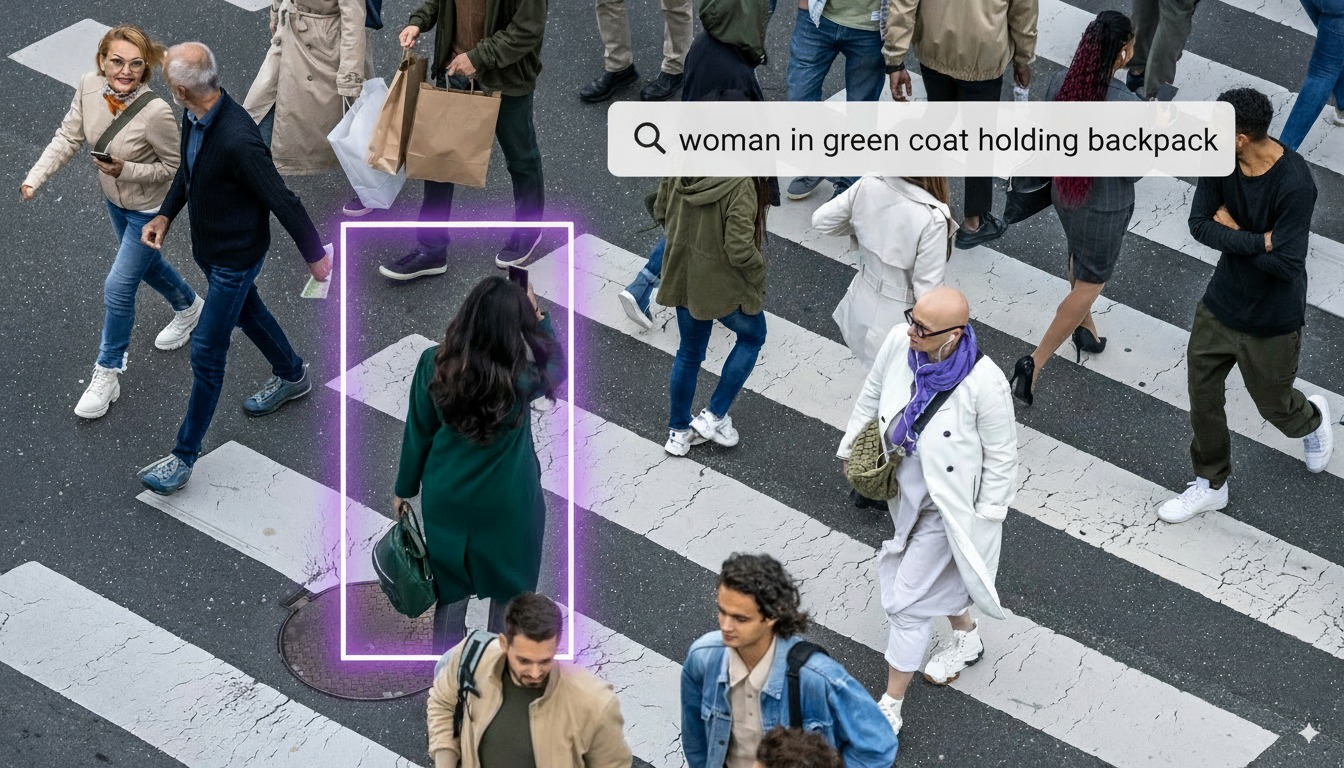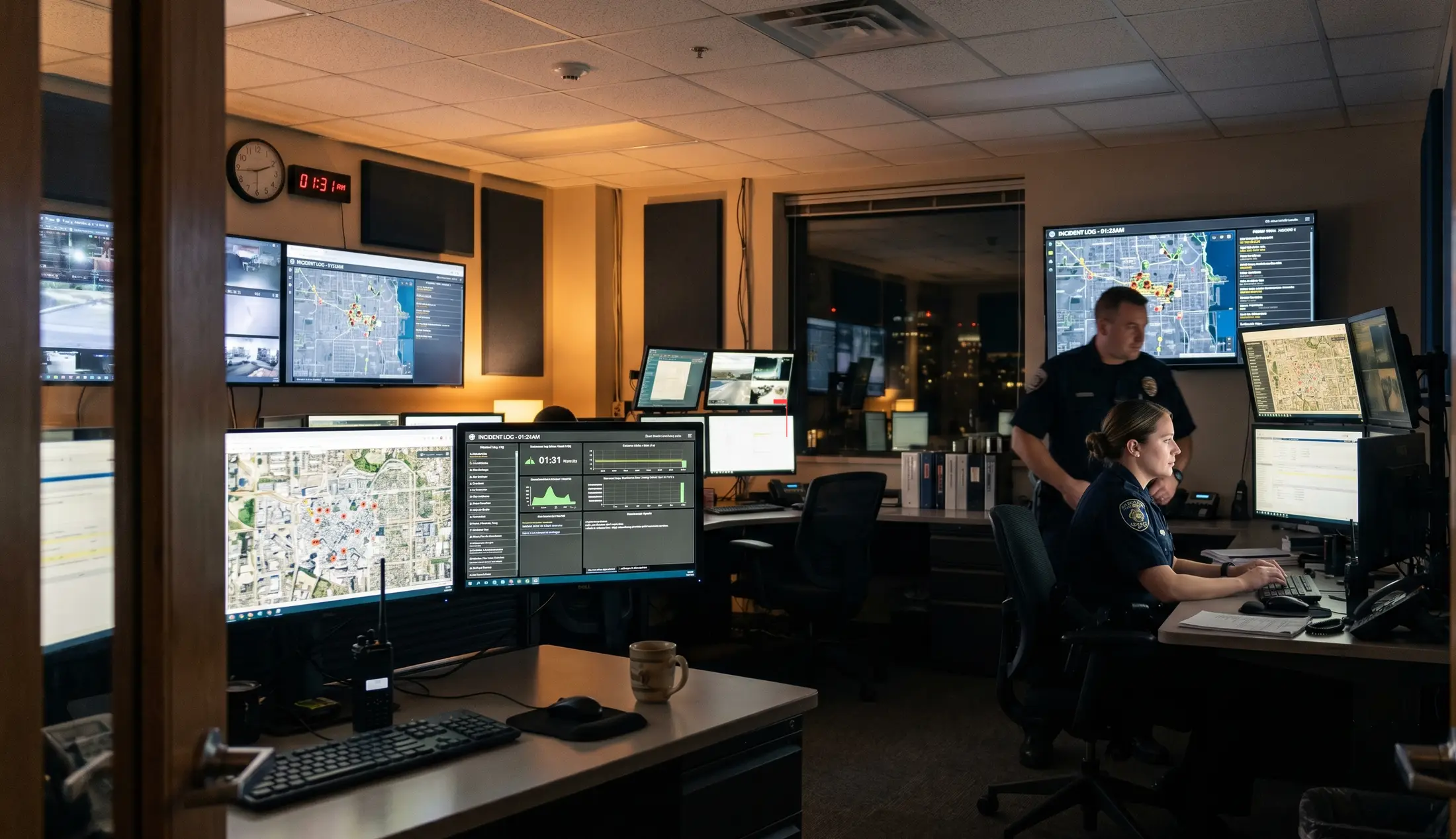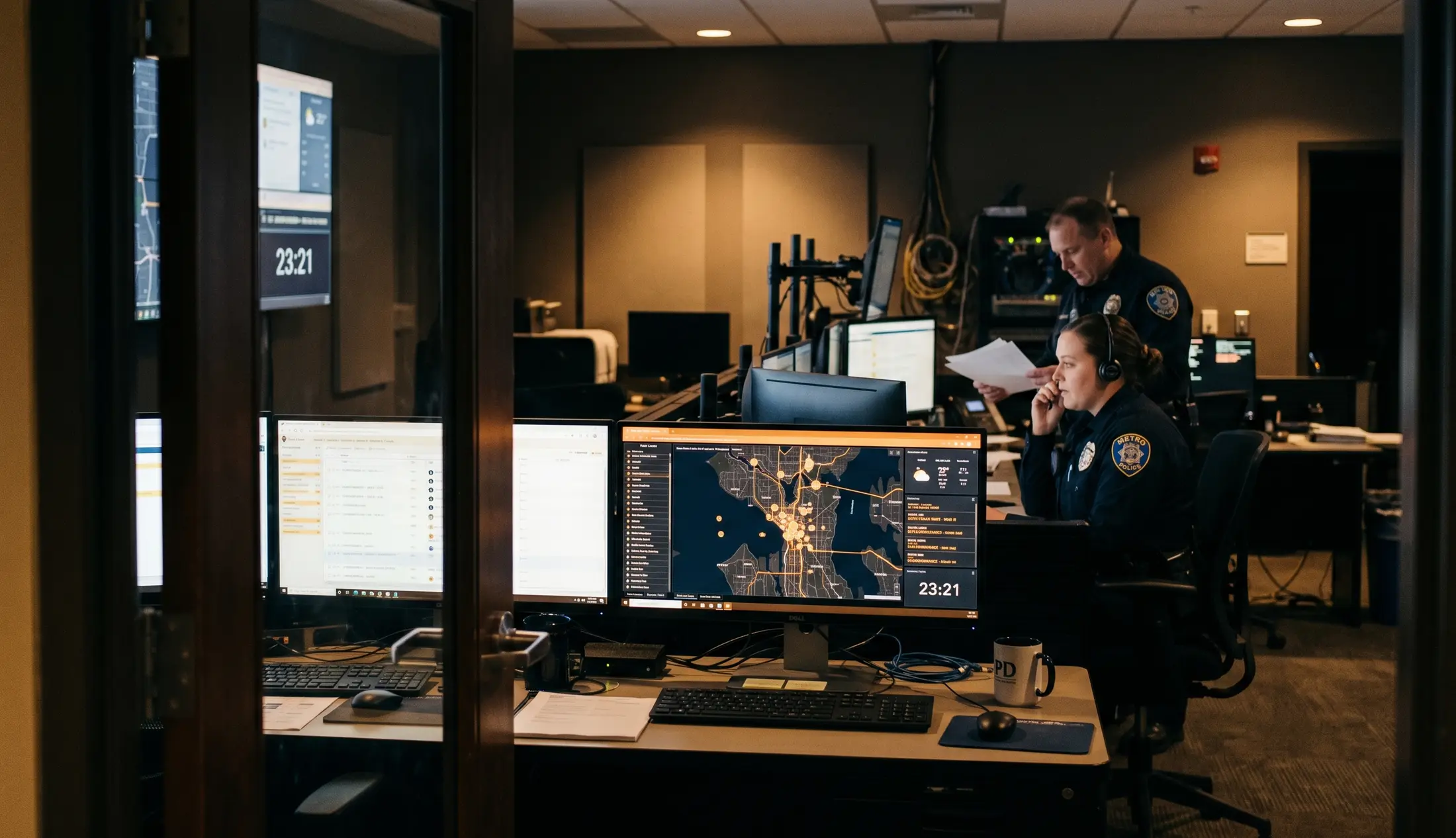
Most conversations about video AI start and end with accuracy: can the system find the vehicle, the person, the moment? That's the easy half. The hard half is whether the answer holds up after it leaves the screen.
A match that a detective can't explain in a deposition isn't a lead — it's a liability. So the questions that actually decide whether video AI belongs in public safety aren't about recall and precision. They're about provenance.
Where did this clip come from, and who touched it? Every query and export should be signed and timestamped, with a record that survives the trip from the crime center to the courtroom. If you can't reconstruct exactly how a piece of footage surfaced, it doesn't matter how fast you found it.
What never should have been shared? Automatic redaction of bystanders, faces, and license plates isn't a privacy nicety. It's what lets an agency hand a clip to a partner agency or a prosecutor without over-disclosing.
Where did the data live? On-prem indexing — and, for the most sensitive environments, a fully air-gapped deployment — means footage and indexes never leave the network. Data sovereignty becomes a property of the architecture, not a promise in a contract.
The uncomfortable truth is that the impressive demo and the admissible exhibit are governed by different constraints. Search quality gets you the first; custody, redaction, and signed exports get you the second. Build for the second, and the first comes along for the ride. Build only for the first, and you've made a very fast tool that no prosecutor will touch.
That's the bar we hold EdgeTrace to: not "did it find the answer," but "will the answer survive cross-examination."