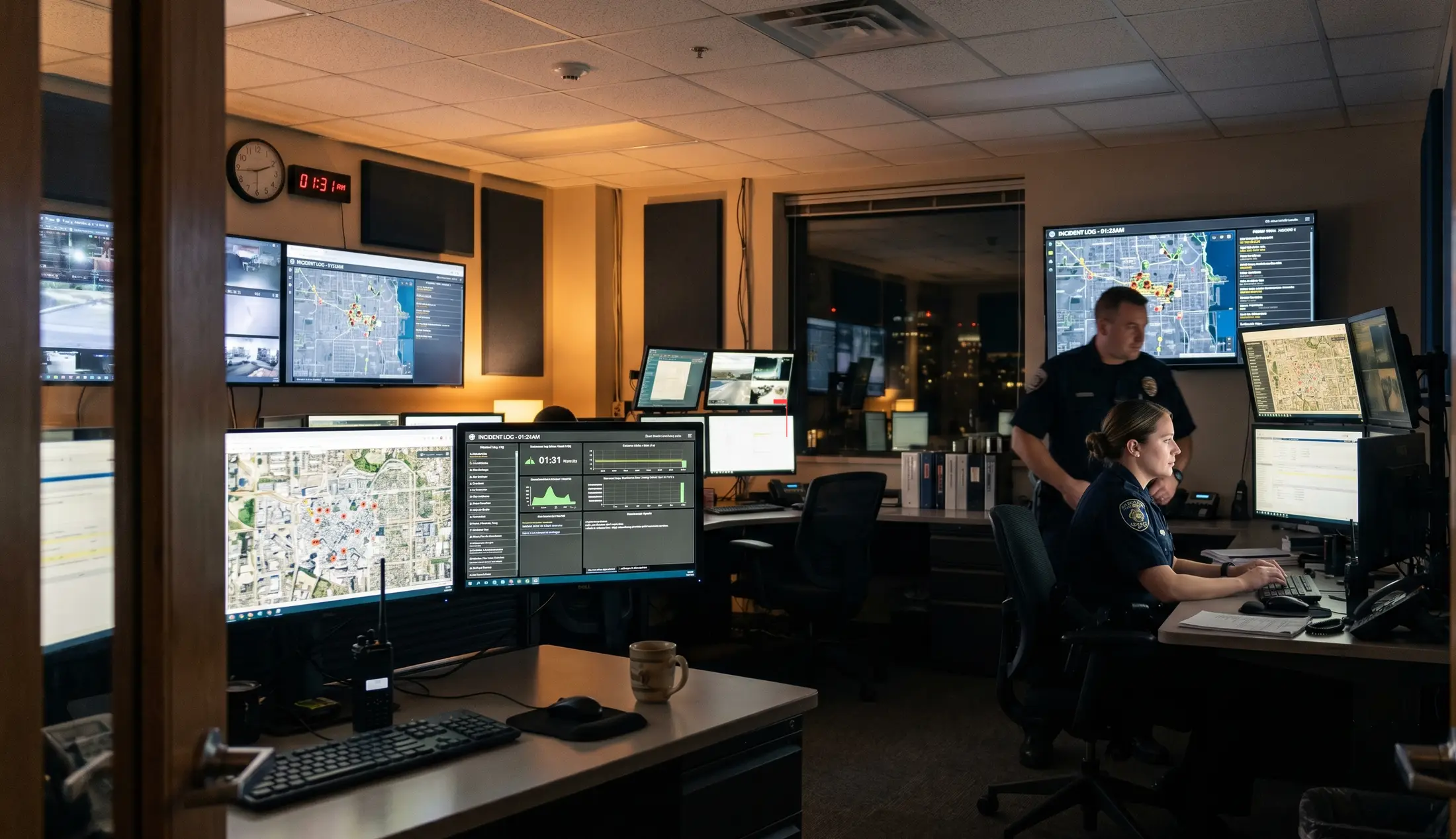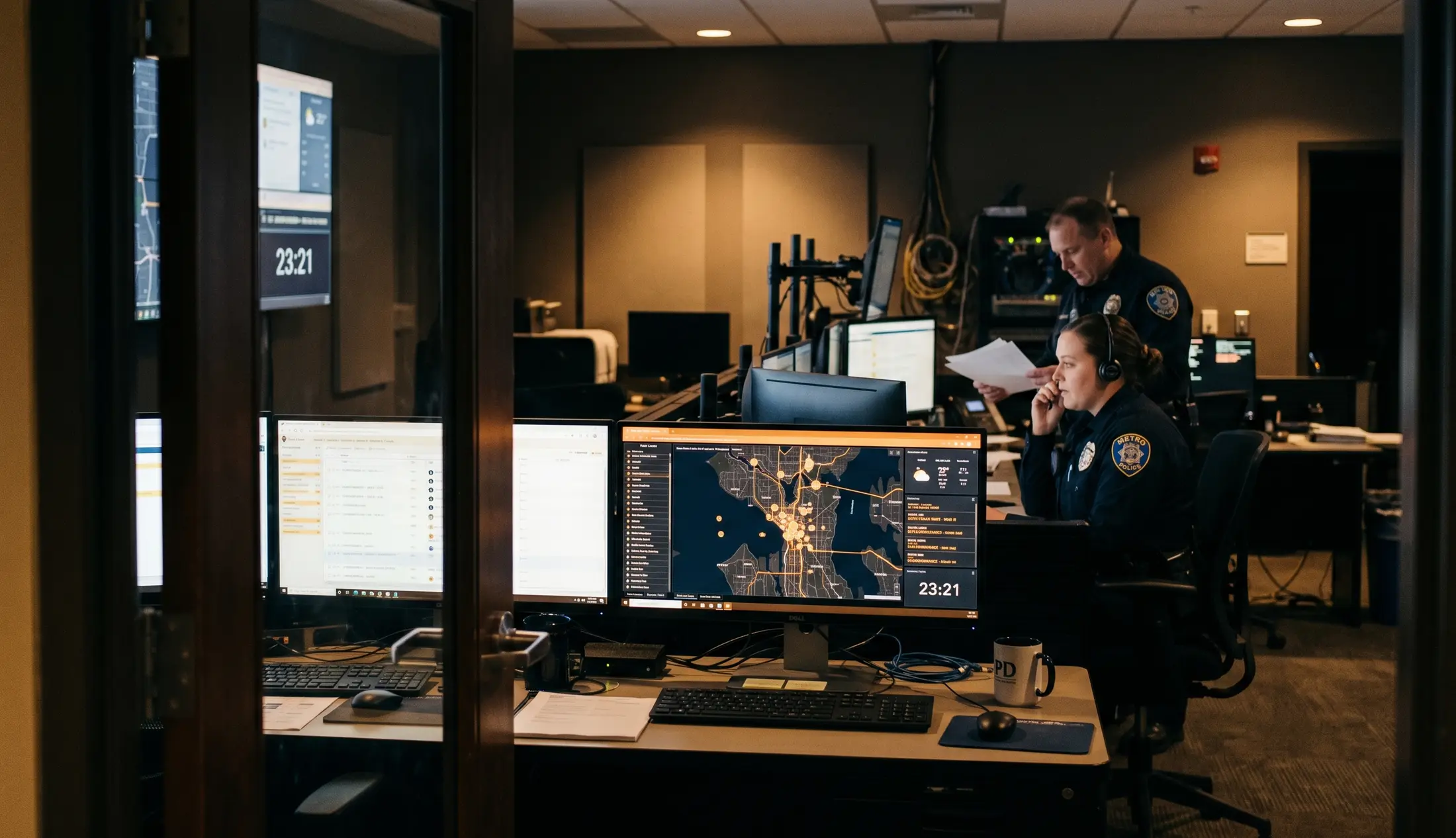
There's a recurring fear in public safety that AI is coming for the investigator's job. Spend a week in a real-time crime center and you'll see the opposite problem: there's far more investigative work than there are hours to do it, and most of those hours disappear into scrubbing footage.
The bottleneck was never judgment. It was review. An investigator who knows exactly what they're looking for still has to sit through hours of video to find thirty seconds of it. That's not the work only a person can do — it's the work that prevents them from doing it.
Plain-language search changes the ratio. When you can ask the full camera fleet a question and get ranked, timestamped matches back in seconds, the scarce resource — human attention — gets spent on the parts that actually require a person: corroborating, contextualizing, deciding what matters and what to do next.
The metrics from the field bear this out. In its first operational quarter, one department reported an 87% reduction in time spent reviewing video and 3.2× more retrospective leads pursued per investigator. Those aren't headcount-reduction numbers. They're the same people closing more cases, including ones that would otherwise have gone cold.
So the honest framing isn't "AI replaces the analyst." It's "AI deletes the part of the job nobody became an investigator to do." The shift you get back is spent on the work that only you can do.